Kansai Airport to Osaka City Transfer Service
- Entry ticket
- Mobile voucher
- Valid same day
- Free cancellation
Kansai Airport Transfer to Osaka — Express, Bus & Private Options
Direct routes to Namba and Umeda, departures every fifteen minutes.
Compare fares, pick the fit — all bookings are mobile-voucher and eligible for free cancellation where shown.
1 hr
1 hr 30 min
Selecting the right transport for your kansai airport transfer to osaka depends on your schedule, luggage volume, and destination within the city. Whether you prioritize speed, cost-effectiveness, or direct hotel access, these transportation options ensure a smooth arrival.
| Airport Express Economy Train |
Top pick Limited Express Rapi:t Premium Train |
Limousine Bus Direct Shuttle | |
|---|---|---|---|
| Travel time to Namba | Approx. 45-50 minutes | Approx. 38-40 minutes | Approx. 50-65 minutes;Access method |
| See tickets & prices |
Verdict: First-time visitors heading to Namba generally prefer the Limited Express Rapi:t for the best balance of speed and comfort when booking their kansai airport transfer to osaka tickets.
Worth it for comfort and convenience seekers
Getting from Kansai International Airport to central Osaka districts like Namba involves weighing cost against comfort. The Nankai Airport Express covers the route in 45 minutes for around ¥930, while the JR Haruka reaches Shin-Osaka in 50 minutes for ¥1,600—both solid public transit options during the 06:00–22:00 optimal window. Private kansai airport transfer to osaka services start around ¥15,000–¥20,000 for sedans, jumping to ¥25,000+ for vans, but deliver door-to-door service without luggage hauling through train stations. Shared shuttle alternatives sit in the middle at ¥3,000–¥5,000 per person. The premium makes sense for families with heavy bags, late arrivals outside peak train frequency, or groups of four or more where per-head costs converge with rail fares. Solo budget travelers sticking to Namba or Umeda will find kansai airport transfer to osaka tours unnecessary—trains run frequently and stations connect directly to hotel districts.
Bottom line: Skip the premium if you're solo and traveling light during daytime hours—but for groups, late arrivals, or anyone prioritizing seamless logistics over savings, private transfer options justify the cost against the hassle of navigating Senshu-kuko Station with baggage.
Most travelers find the express train the most efficient way to navigate the kansai airport transfer to osaka, though private taxis offer superior comfort for groups. Opting for professional kansai airport transfer to osaka tours provides a stress-free transition from the terminal to central Namba.
|
Top pick Express Train |
Private Taxi | |
|---|---|---|
| Travel time | 35–50 minutes | 50–70 minutes |
| Cost per person | approx. 1,000–3,000 JPY | approx. 10,000–15,000 JPY |
| Booking method | Kiosk or mobile app | Pre-booked car service |
| Luggage handling | Self-service | Door-to-door assistance |
| Privacy | Shared public carriage | Private vehicle cabin |
| Ideal group size | 1–2 persons | 3–4 persons |
| See tickets & prices |
Verdict: The express train is the most cost-effective choice for solo travelers and couples, while private taxis are better suited for those prioritizing convenience and direct transit to their hotel, making them a popular alternative to standard kansai airport transfer to osaka tickets.
Hand-picked experiences loved by thousands of travelers
1 hour 30 minutes
Free Cancellation
Door-to-door transport between Kansai Airport and your hotel with flight tracking and generous wait times
1 hour - 2 hours
Free Cancellation
Door-to-door service with flight tracking, flexible vehicles for 1-8 passengers, and round-the-clock support
1 - 1.5 hours
Free Cancellation
Door-to-door transport between KIX and central Osaka with flight tracking and professional drivers.
1 hour
Free Cancellation
Door-to-door transport in a comfortable private vehicle with professional driver and luggage help.
1 hour
Free Cancellation
Door-to-door ride between KIX and Osaka with real-time flight tracking and professional drivers
You exit the customs hall into the bright expanse of Terminal 1's arrival floor, where overhead signs direct you left toward the railway station or right toward the bus platforms.
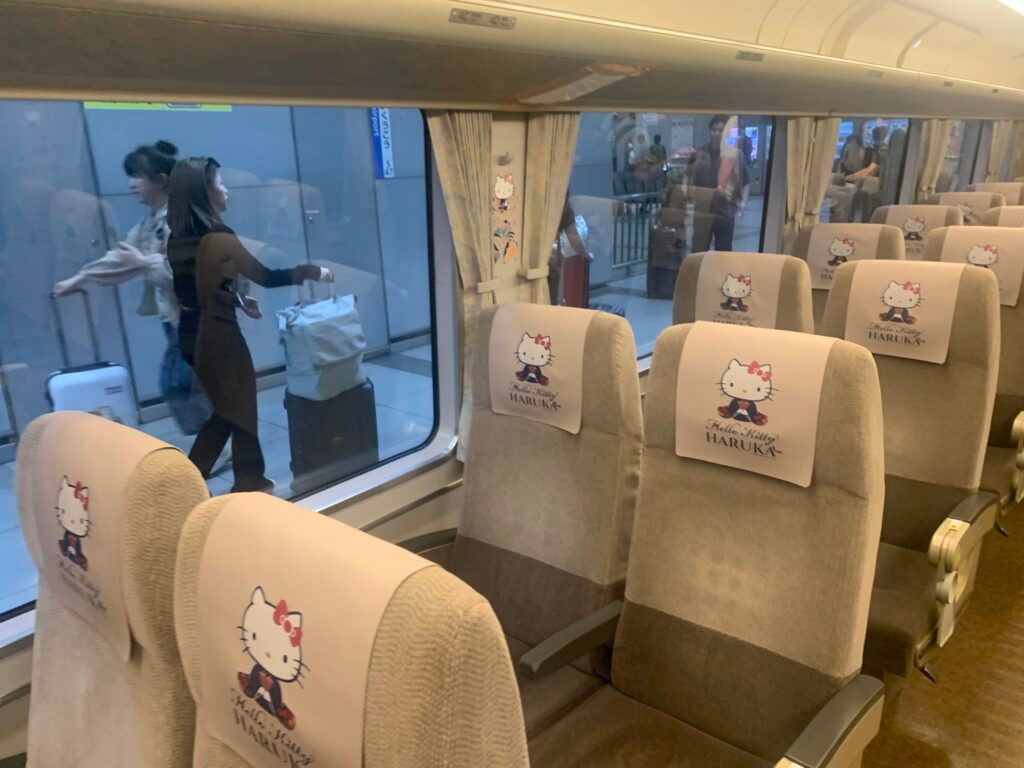
If you've chosen the Haruka express, you descend one level to the JR ticket office, purchase your reserved seat—¥1,710 for an adult fare to Tennoji—and board the white-and-blue train at Platform 4. The cabin is quiet, with wide seats and luggage racks overhead. The train departs at seventeen minutes past the hour, accelerating across the sky bridge as Osaka Bay recedes behind you.
Thirty minutes later, you pull into Tennoji Station, where you transfer to the Midosuji Line for Namba or continue north to Shin-Osaka. If you've selected a private transfer, you meet your driver at the arrival gate, settle into the back seat of a Toyota Alphard, and begin the hour-long drive along the expressway, watching the skyline of Umeda rise ahead. For limousine bus passengers, the route is slower but direct, stopping at major hotels in Namba before terminating at Herbis Osaka in Umeda. You arrive with your luggage intact, your phone already connected to pocket Wi-Fi, ready to navigate the city grid.
All the details about your upcoming adventure in one place
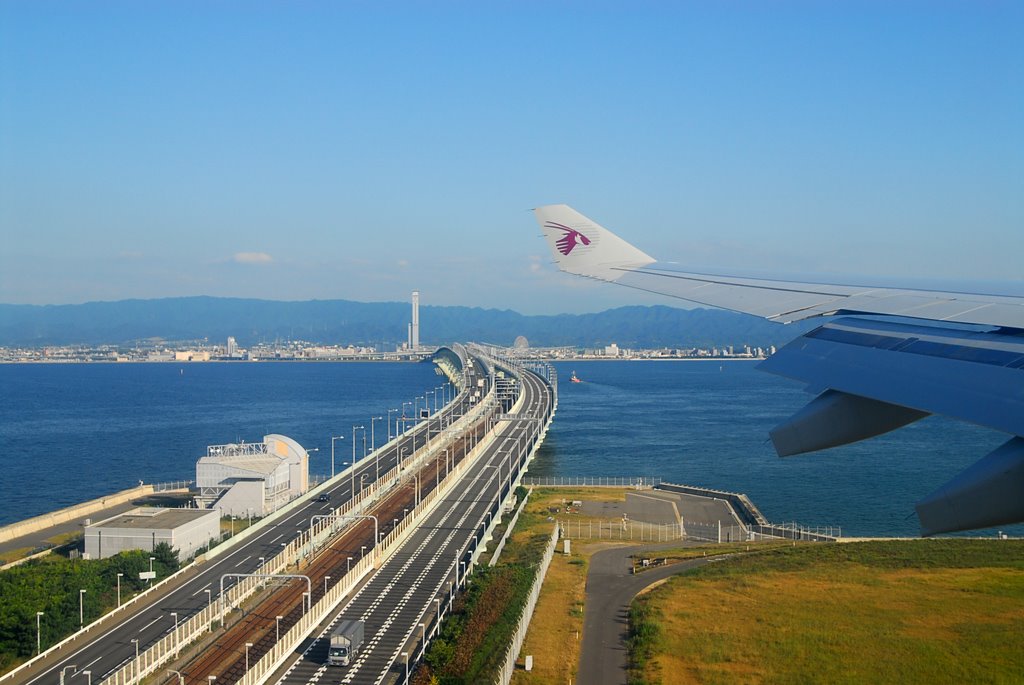
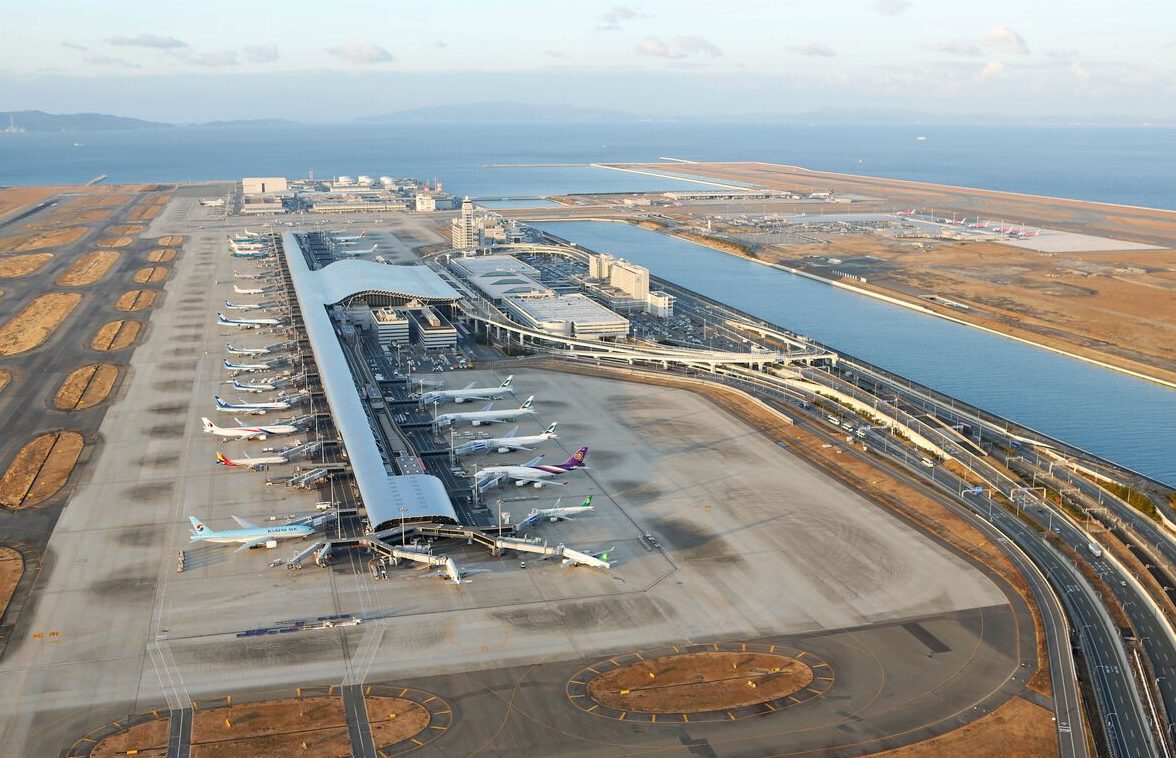
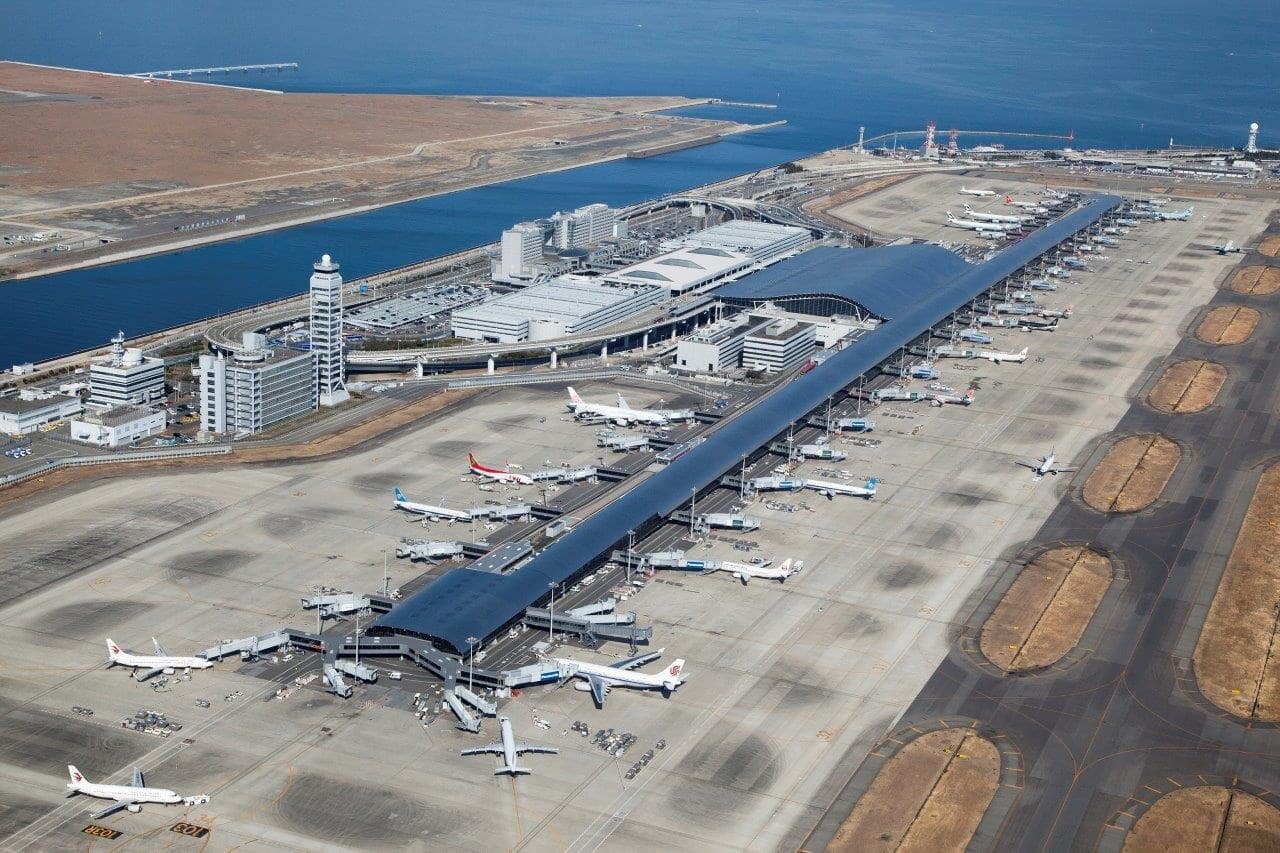
Kansai International Airport opened in 1994 on an artificial island five kilometres offshore in Osaka Bay, connected to the mainland by a 3.7-kilometre sky bridge. The airport handles forty million passengers annually, most arriving for business in Osaka or onward journeys to Kyoto and Nara.
The distance to central Osaka is forty-eight kilometres, a journey that spans reclaimed land, industrial suburbs, and the dense urban core of Japan's third-largest city.
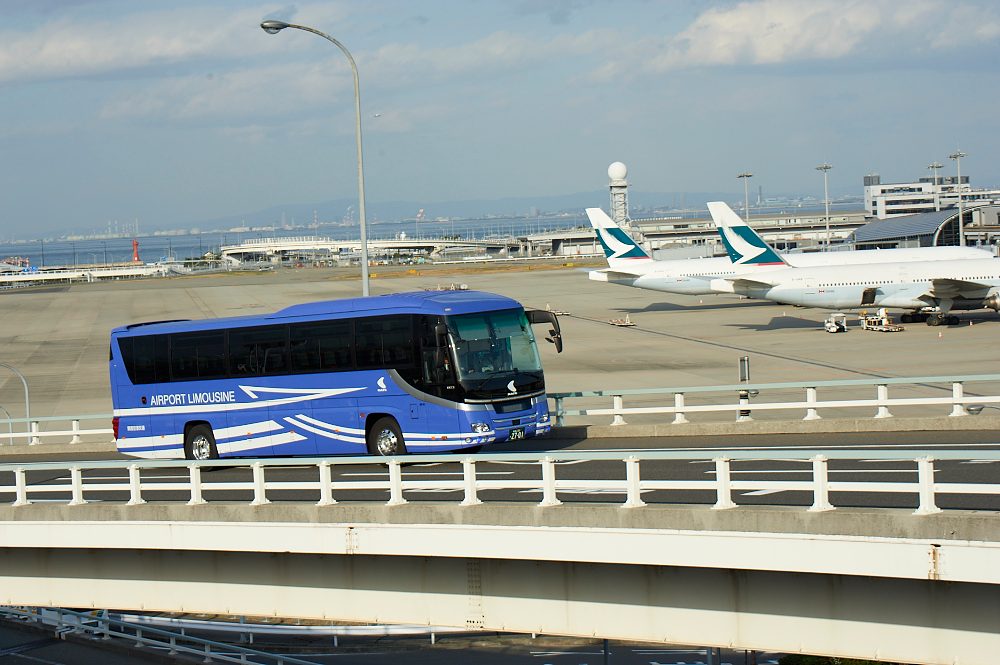
The rail corridor linking the airport to the city centre was completed in phases between 1994 and 1996. The Nankai Electric Railway operates the Rapi:t limited express to Namba, covering the distance in thirty-four minutes with departures every thirty minutes during peak hours. West Japan Railway Company runs the Haruka limited express to Shin-Osaka and Tennoji, both routes serving business districts and connecting to the Tokaido Shinkansen. Airport limousine buses depart every twenty minutes for Umeda, Namba, and the Osaka Bay hotel district, with journey times ranging from fifty to seventy minutes depending on traffic conditions along the Hanshin Expressway. Private transfer services operate twenty-four hours, the only option for arrivals after the final Haruka departure at 22:16.
The airport's Transportation Centre occupies the first floor of Terminal 1, with railway ticket counters positioned between the north and south exits. Limousine bus platforms line the curb outside the arrival hall, each route designated by destination placard in Japanese and English. Private car services meet passengers at Arrival Gate 1, where drivers hold name cards and assist with luggage. The journey into Osaka traverses seventeen municipalities, crossing the Yamato River before entering the city limits at Sumiyoshi Ward. Traffic volume peaks between 08:00 and 09:30 for inbound journeys, affecting road transfer times but leaving rail schedules unaffected. Most visitors arriving for the first time select the Haruka express for its balance of speed, cost, and direct access to major transit interchanges, while those traveling in groups of three or more often find private transfers cost-effective when the per-person rate is calculated.

The rail corridor linking the airport to the city centre was completed in phases between 1994 and 1996.
There is no formal dress code for airport transit. Casual, comfortable attire is recommended for your kansai airport transfer to osaka.
Security procedures for your kansai airport transfer to osaka are standard at both train and bus stations. Ensure luggage is clearly labeled and kept with you at all times during transit.
Photography is permitted in public areas of the airport, but exercise caution around security checkpoints and immigration areas during your kansai airport transfer to osaka.
Families using a kansai airport transfer to osaka will find ample space for strollers. Many transit services offer discounted child fares for passengers.
The airport and transit lines are equipped with elevators and ramps for accessibility. Contact staff at Kansai Airport Station for assistance with wheelchair boarding.
Food and drink are permitted on most airport trains and buses. Numerous cafes and convenience stores are available at the airport for snacks before your kansai airport transfer to osaka.
Operating Hours
00:00–23:59
Address
1 Senshu-kuko Kita, Izumisano, Osaka 549-0001, Japan
Accessibility
Barrier-free facilities available throughout terminals
Arrival Window
06:00–22:00
Baggage Services
Available at designated airport counters
Official Website
https://www.kansai-airport.or.jp/en/
Transportation tickets for a kansai airport transfer to osaka are generally non-refundable once issued. Please refer to the specific rail or bus operator terms for service disruptions.
Recommended time
1-2 hours
Navigating your kansai airport transfer to osaka requires accounting for varying transit modes, including the Nankai Electric Railway and airport limousine buses. Travelers should target the 06:00–22:00 window to ensure maximum frequency for connecting to Namba or central station districts. Those seeking kansai airport transfer to osaka tours should add 30 minutes for ticket redemption, while private shuttles may simplify the process. Since ground transportation hubs experience peak congestion during mid-morning and late afternoon, utilizing pre-booked kansai airport transfer to osaka tickets helps bypass potential terminal queues.
Crowd levels through the day
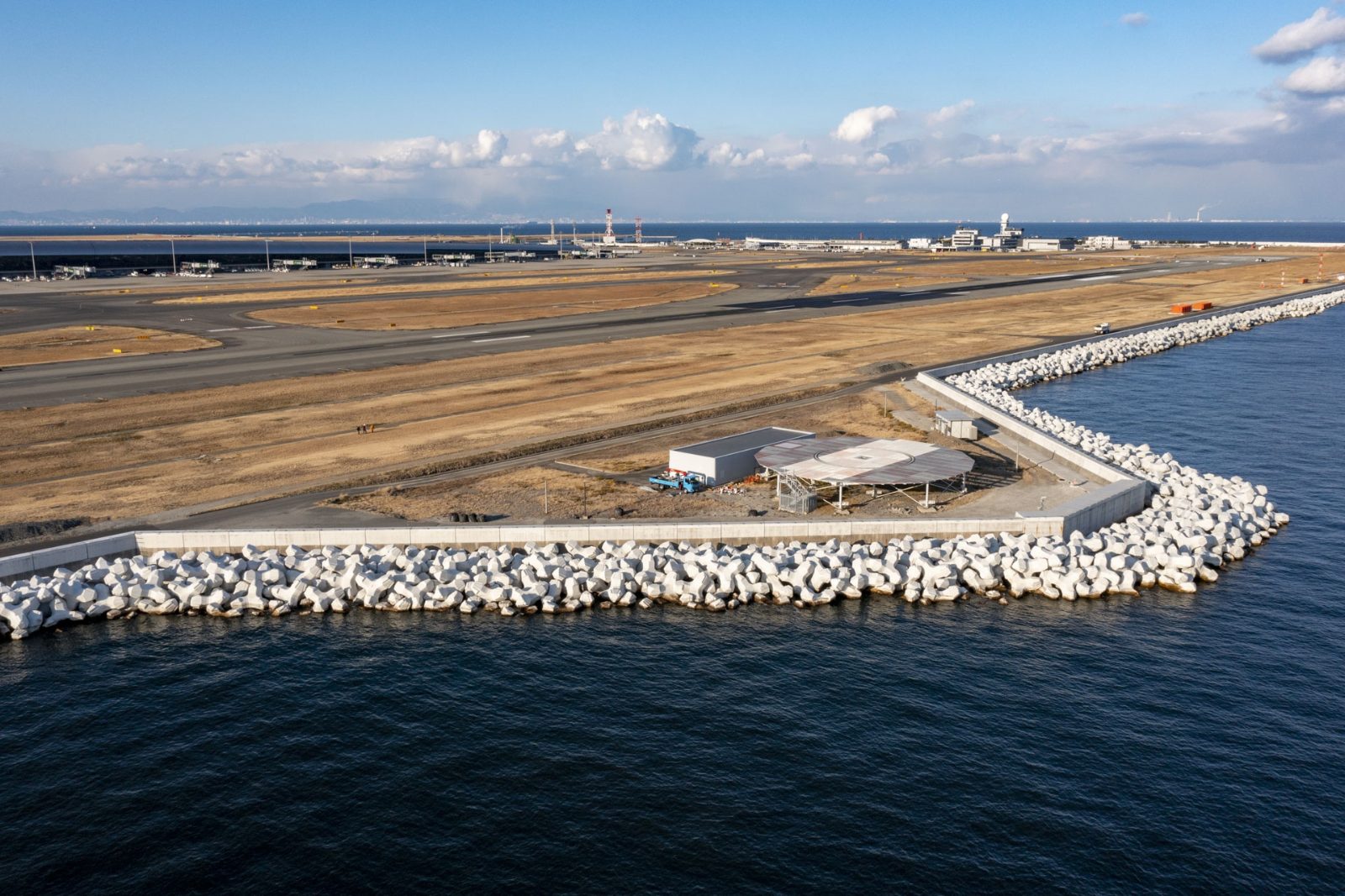
Kansai International Airport opened on September 4, 1994, built on a 511-hectare artificial island five kilometers offshore in Osaka Bay. The Japanese government chose the marine location in 1987 to solve noise complaints that had plagued Osaka Itami Airport since the 1960s, when residents filed landmark lawsuits demanding flight restrictions. Italian architect Renzo Piano designed Terminal 1 as a 1.7-kilometer steel wing whose curved roof channels natural ventilation. Engineers sank 2 million concrete columns into the seabed to stabilize the reclaimed land, yet the island began subsinking faster than predicted—18 centimeters by 2000, requiring continuous hydraulic jacking and seawall reinforcement. The kansai airport transfer to osaka infrastructure launched alongside the terminal. Nankai Electric Railway extended its main line across a 3.75-kilometer Sky Gate Bridge, connecting the island to Izumisano in eighteen minutes. Japan Railways opened a parallel spur for the Haruka limited express, slashing the journey to Shin-Osaka Station to fifty minutes. Bus operators established direct routes to Namba, Umeda, and Kyoto, creating the tiered ground-transport network that persists today. A second runway opened in 2007 on an adjacent island after thirteen years of construction, doubling capacity to 23 million passengers annually. Typhoon Jebi struck on September 4, 2018—the airport's twenty-fourth anniversary—flooding the first floor under a 2.5-meter storm surge and stranding 8,000 travelers overnight. A runaway tanker severed the bridge, cutting the sole land link for three days. Repairs cost 650 million dollars and prompted the 2019 installation of waterproof barriers and backup power systems. The pandemic shuttered international gates in 2020, reducing traffic by 91 percent and accelerating automation: touchless baggage drops and biometric boarding gates now handle departure flows, while the Kansai airport transfer to Osaka tickets remain available across digital and staffed counters.
Government selects Osaka Bay offshore site to replace noise-restricted Itami Airport.
Terminal 1 opens on artificial island; Nankai and JR rail links begin service to central Osaka.
Island subsidence reaches 18 centimeters, triggering ongoing seawall and foundation adjustments.
Second runway opens on parallel reclaimed island, doubling passenger capacity.
Typhoon Jebi floods terminal and severs bridge access for three days, stranding thousands.
Waterproof barriers and elevated power systems installed after typhoon damage review.
Pandemic closes international gates; touchless technology accelerates across check-in and boarding.
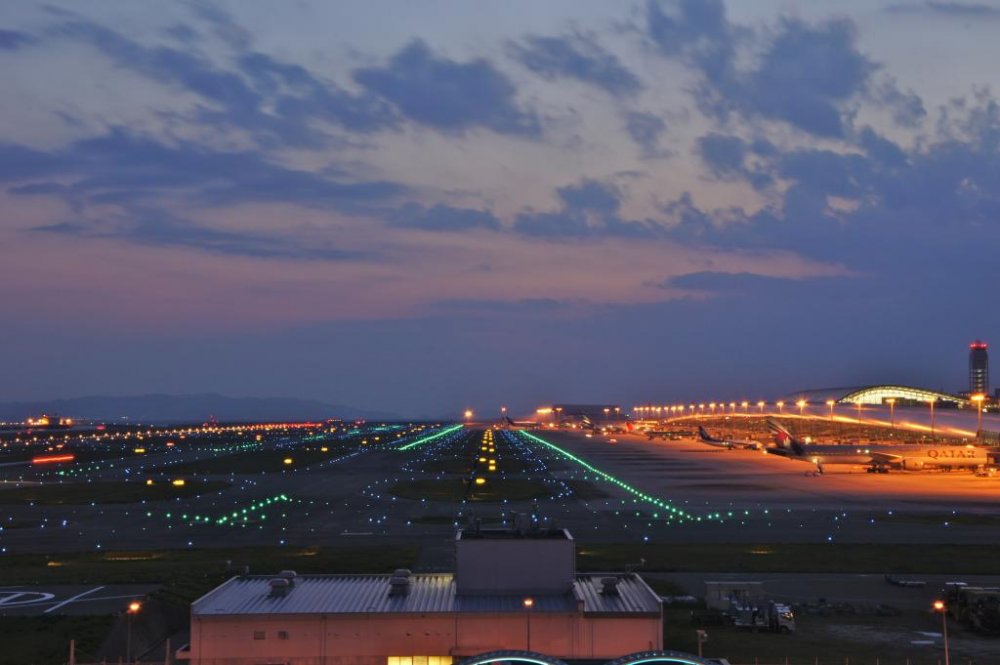
Located at the top level of the observation deck, this spot provides a clear view of aircraft taxiing on the runway with the airport terminal in the background. It is a popular vantage point for those capturing the transition between travel and their kansai airport transfer to osaka journey.
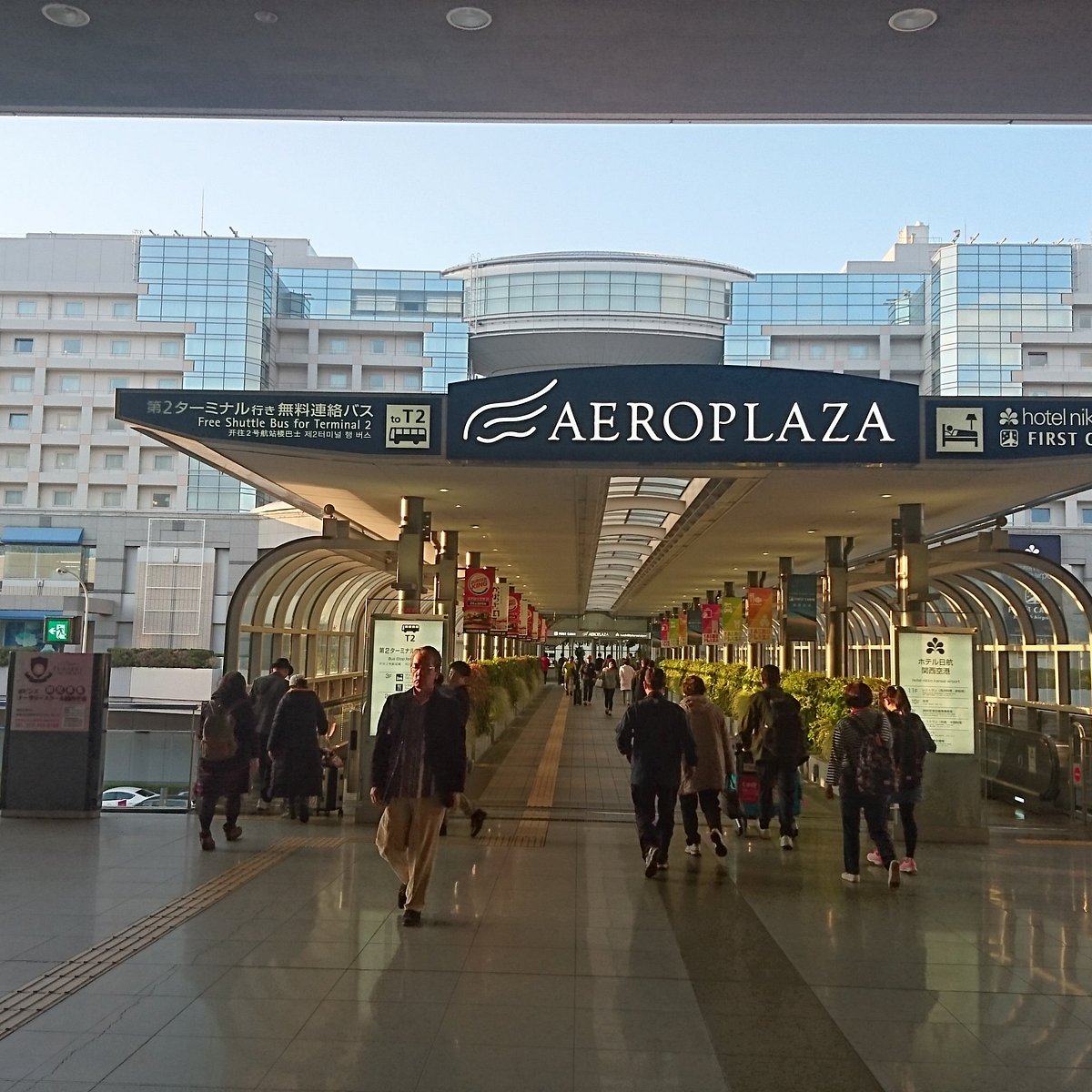
This spacious, glass-walled area offers architectural symmetry and natural light ideal for minimalist photography. Standing on the upper mezzanine allows for a clean perspective of the bustling transit area where visitors secure their kansai airport transfer to osaka tickets.
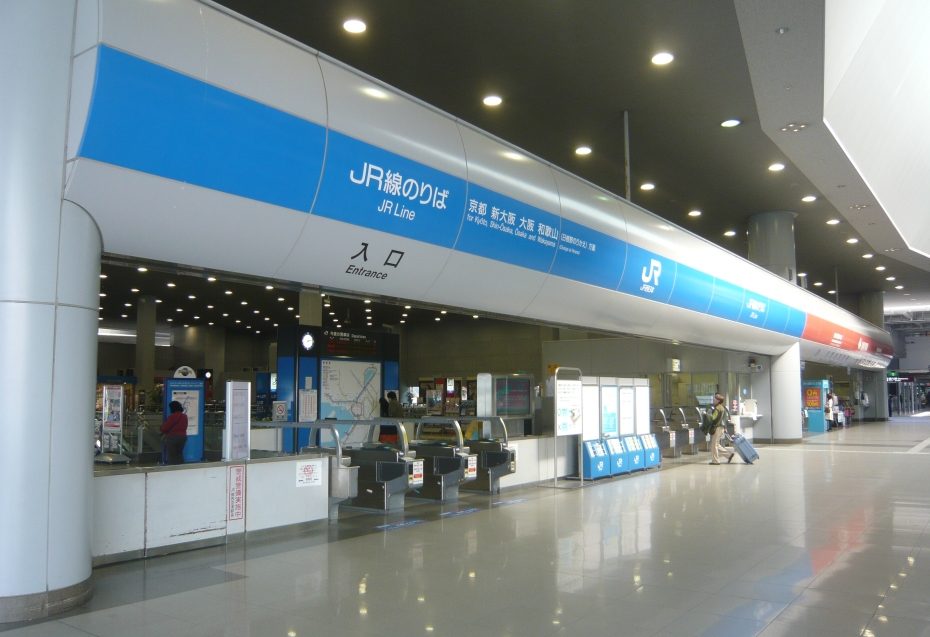
Positioned near the ticket gates, this location captures the movement of commuters and the sleek design of the airport train lines. Use a wide-angle lens to frame the dynamic flow of passengers utilizing various kansai airport transfer to osaka tours.
This pedestrian bridge connects the terminal to the nearby transportation hub, offering panoramic views of the water and surrounding bay. It serves as a visual bridge for travelers documenting their departure during kansai airport transfer to osaka tour departures.
Navigating a kansai airport transfer to osaka with children is straightforward thanks to the airport's accessible design and frequent rail links. Families can easily manage luggage and young travelers by utilizing the efficient transit systems connecting the terminal to the heart of Namba.
The entire airport facility is barrier-free, allowing for smooth stroller movement from the arrival gates to the train and bus boarding areas.
You will find dedicated nursing rooms and baby-change stations located throughout the terminal to support your kansai airport transfer to osaka tour needs.
Travelers of all ages benefit from the short transit times, though using a baby carrier can make navigating platforms faster than bringing a stroller on crowded trains.
We recommend planning your kansai airport transfer to osaka tickets purchase during the best arrival window of 06:00–22:00 for the most reliable connection frequency to central Osaka.
The connection to the Nankai and JR lines is almost entirely indoors, ensuring that your kansai airport transfer to osaka tours remain comfortable regardless of the weather.
Travelers securing a kansai airport transfer to osaka will find a variety of dining hubs within the terminal serving efficient meals before their journey. Whether you are seeking a quick bite or a sit-down meal, these establishments offer convenient options for those utilizing rail lines or shuttle buses to central districts.
Specializes in savory pancakes and Japanese comfort food, ideal for a hearty meal before your train departs. It is a popular spot, so expect wait times during peak hours.;KIX Beer Café
Everything you need to know for your journey
The most efficient way to complete your kansai airport transfer to osaka is via the Nankai Line Rapi:t or Airport Express trains located at Kansai Airport Station.
Many travelers book bundled kansai airport transfer to osaka tickets online to save time upon arrival at Kansai International Airport.
For optimal connection frequency, the recommended arrival window for your kansai airport transfer to osaka is 06:00–22:00.
Transport services typically align with flight schedules; the airport itself operates from 00:00–23:59.
Yes, luggage is permitted, though using dedicated storage on express trains is advised for a smooth kansai airport transfer to osaka.
Kansai International Airport and transit partners provide full barrier-free access for your kansai airport transfer to osaka.
Food and beverages are allowed; however, please maintain cleanliness during your kansai airport transfer to osaka.
While the airport operates 00:00–23:59, specific transit frequencies for a kansai airport transfer to osaka are highest during daytime hours.
We recommend pre-purchasing express tickets for a seamless kansai airport transfer to osaka through official transport websites.
Join thousands of happy travelers who have discovered this incredible experience
Book Your Experience Now