1 hr 30 min
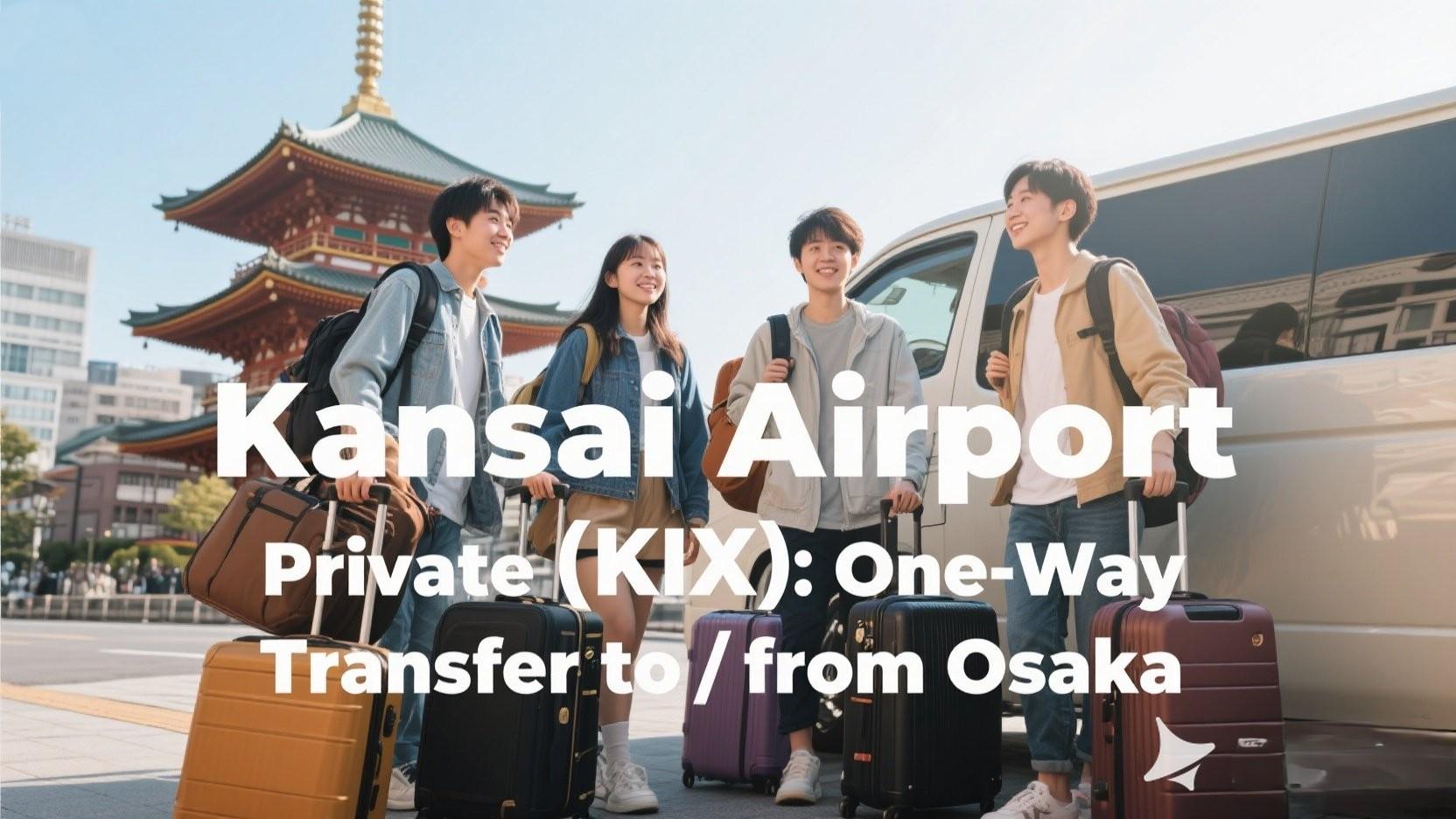
Kansai Airport to Osaka City Shared Transfer
- Entry ticket
- Mobile voucher
- Valid same day
- Free cancellation
Kansai Airport Transfer — Express Trains, Buses & Private Service
Reserved seats to Kyoto, Namba and Umeda, direct from the terminal
Compare fares, pick the fit — all bookings are mobile-voucher and eligible for free cancellation where shown.
1 hr 30 min
2 hr
1 hr
Planning a kansai airport transfer from Kansai International Airport means choosing among three official ground modes rather than a single ticket tier: JR/Nankai train, the airport limousine bus, or a prebooked private car service. Each mode trades off cost, luggage ease, and flexibility differently, so first-time visitors benefit from comparing them before heading to Osaka landmarks beyond the terminal.
| JR/Nankai Train Rapi:t or Haruka rail link |
Top pick Airport Limousine Bus Scheduled coach service |
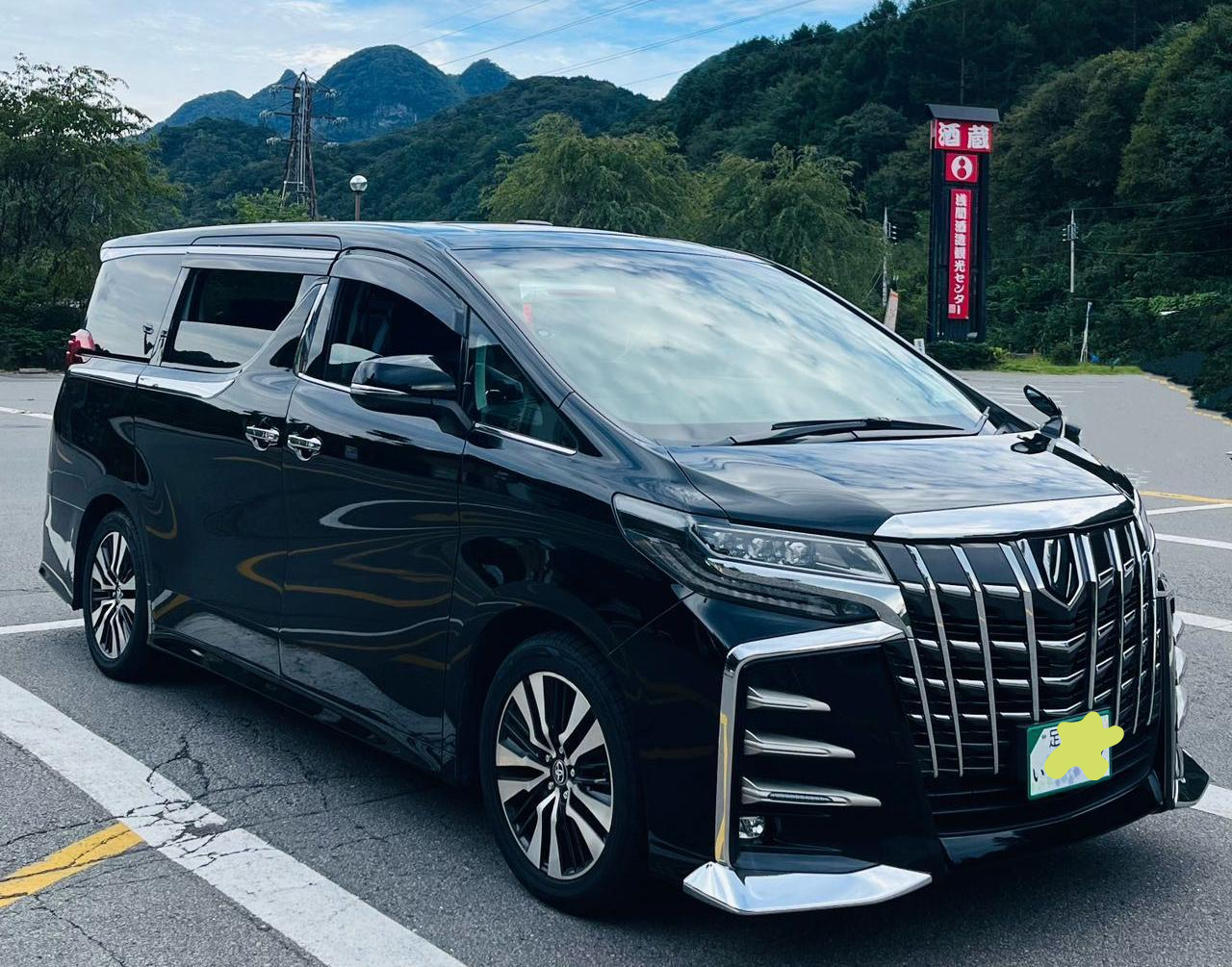
Private Car / Klook Transfer Prebooked door-to-door service | |
|---|---|---|---|
| Booking method | Buy ticket at station kiosk or gate | Buy at bus counter or online | Prebook online in advance |
| Flexibility | Board any departure, no reservation | Fixed scheduled departures | Fixed pickup window, adjustable pre-trip |
| Luggage handling | Self-carry, limited storage racks | Under-bus hold, staff assist | Door-to-door, driver handles bags |
| Typical journey time | Varies by line and station | Varies by traffic and route | Varies by destination and traffic |
| Best for | Budget-minded, solo travelers | Families with moderate luggage | Groups wanting skip-the-line airport transfer tour ease |
| See tickets & prices |
Verdict: Solo travelers on a budget should take the train, families with bags often prefer the limousine bus, and those wanting a stress-free kansai airport transfer tour experience should prebook a private car service.
Worth it for groups and late arrivals
A prebooked kansai airport transfer—private car or shuttle—costs roughly ¥3,000–¥5,000 per person for Osaka city, while the Nankai rapid train runs ¥920 and the Haruka limited express ¥1,740. The premium buys door-to-door convenience: no luggage haul through Namba Station, no platform hunting after a long flight, and guaranteed English-speaking drivers. For solo budget travelers arriving midday, the train is hard to beat—frequent, fast, and straightforward. But kansai airport transfer tours make sense for families with multiple bags, groups of three or more splitting the fare, or anyone landing past 22:00 when train frequency drops and fatigue peaks. The airport limousine bus offers a middle ground at ¥1,600, though hotel coverage is patchy and you still navigate the final leg yourself. Weigh the convenience premium against your group size, arrival time, and tolerance for navigating Kansai's rail network after immigration.
Bottom line: Solo midday arrivals save with the train; groups of three or more recoup the kansai airport transfer tickets cost through shared convenience.
For international arrivals, a kansai airport transfer through KIX beats routing via Itami, since Itami handles domestic flights only; for pure domestic hops around Osaka and Kyoto, Itami's shorter transfer often wins. Neither trip replaces the other, since one covers international access and the other covers speed, so most travelers doing a skip-the-line Kansai landmarks itinerary end up using both at different points in their journey.
|
Top pick Kansai International Airport (KIX) |
Osaka Itami Airport (ITM) | |
|---|---|---|
| International access | ✓ — main Kansai international gateway | — domestic-only terminal |
| Transfer convenience to Osaka/Kyoto | Train/bus via Rinkan area, one change | Closer to city, fewer transfer stops |
| Domestic connections | Limited — mostly connects via rail to ITM/Osaka | ✓ — hub for JAL/ANA domestic network |
| Typical transfer complexity | Higher — immigration, customs, longer concourse | Lower — compact terminal, quick curb-to-gate |
| See tickets & prices |
Verdict: Choose Kansai International Airport for any international leg of the trip and Itami only when a domestic connection is involved, since the two airports serve different halves of a Kansai-region journey rather than competing for the same traveler.
Hand-picked experiences loved by thousands of travelers
1.5 hours
Free Cancellation
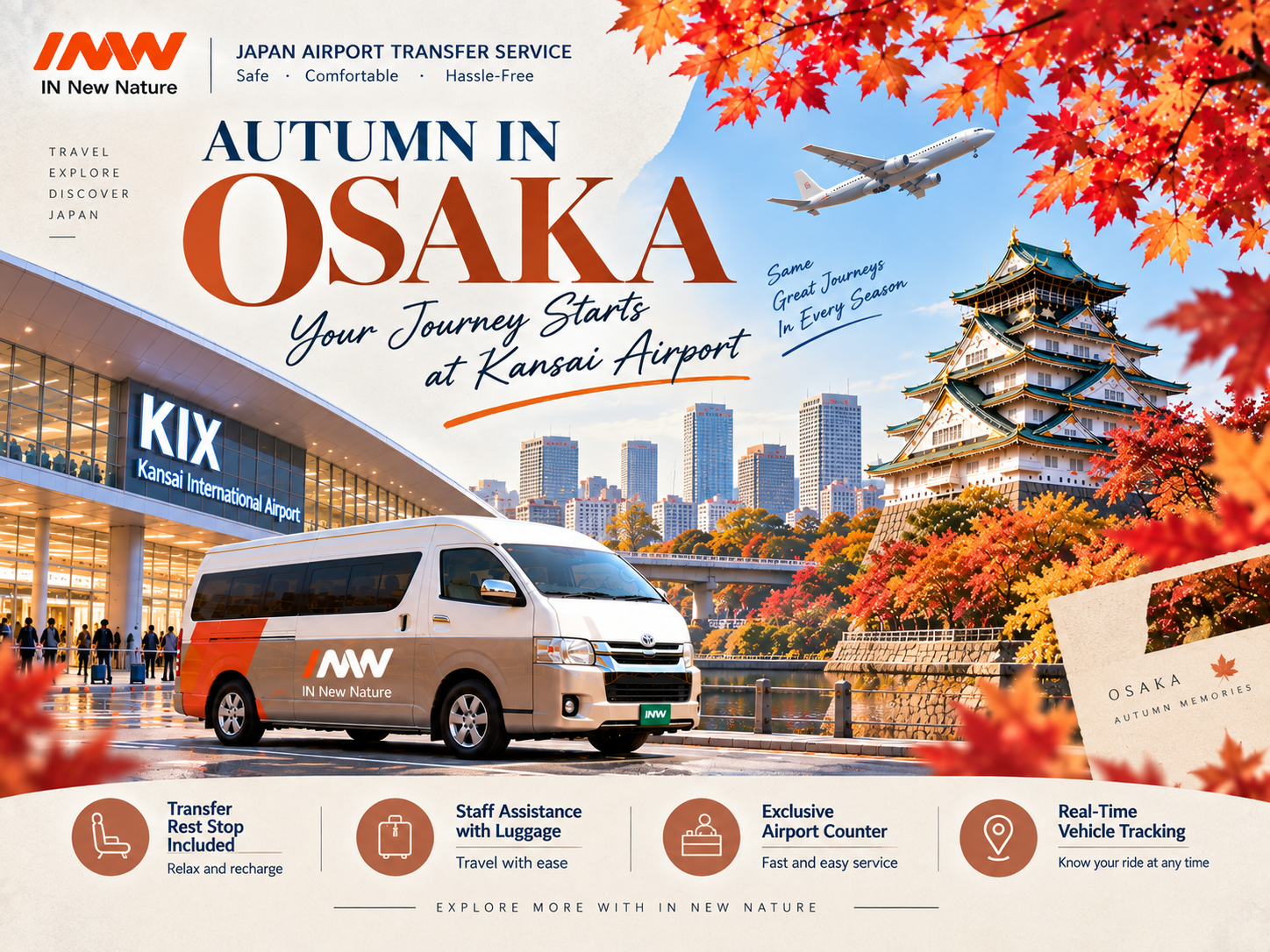
Door-to-door transport between KIX and your hotel with flight tracking and generous wait times included
1 hour - 2 days
Free Cancellation
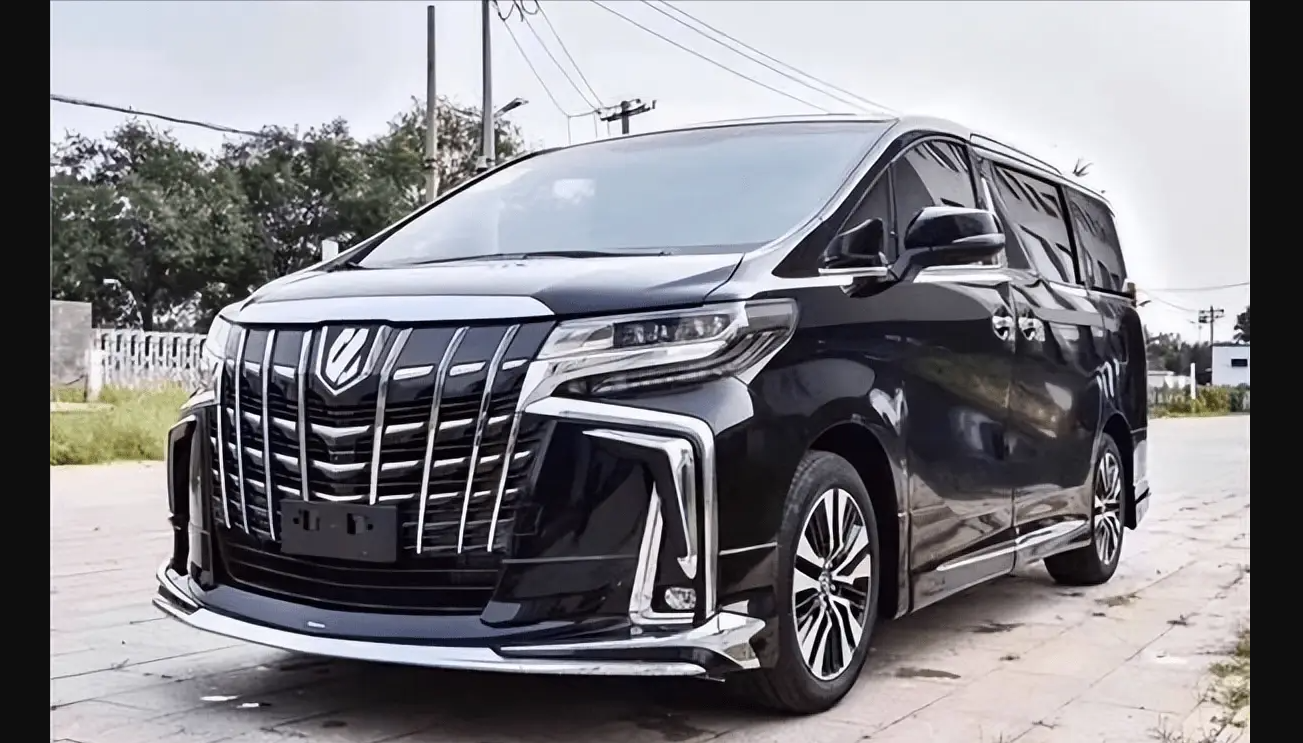
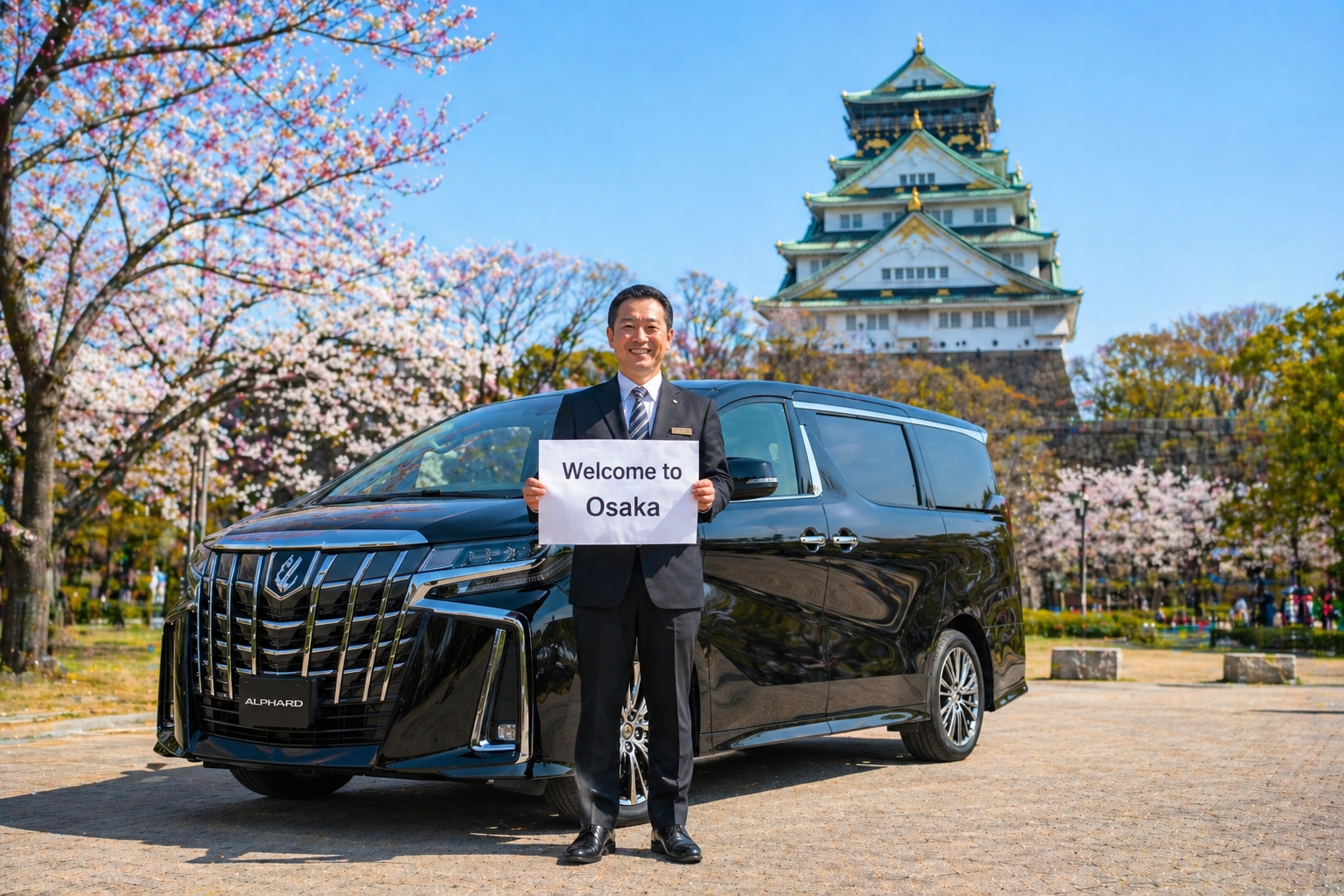
Door-to-door transfer service between KIX and Osaka with flight tracking and flexible vehicle options
1 day
Free Cancellation
Door-to-door transport between KIX and Kyoto with flight tracking, flexible vehicles, and no hidden costs
2 hours
Free Cancellation
Direct door-to-door transport between KIX and Nara with flight tracking and complimentary wait time
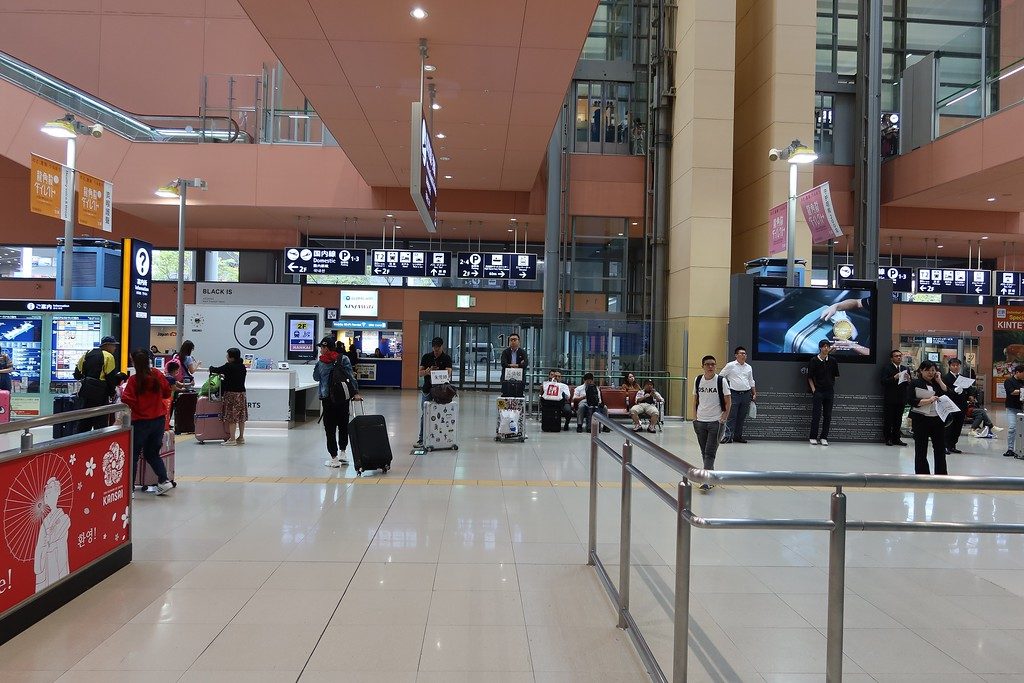
You collect your luggage from the carousel on the first floor of Terminal 1 and follow the bilingual signage toward the railway station. The corridor slopes gently downward and opens into a bright, two-level concourse lined with ticket machines and staffed service windows.
If you have reserved a Haruka seat in advance, you insert your confirmation code at the green JR ticket kiosk; if you are boarding the Nankai Rapi:t, the blue machines on the opposite wall dispense reserved and unreserved tickets for trains departing within the hour.
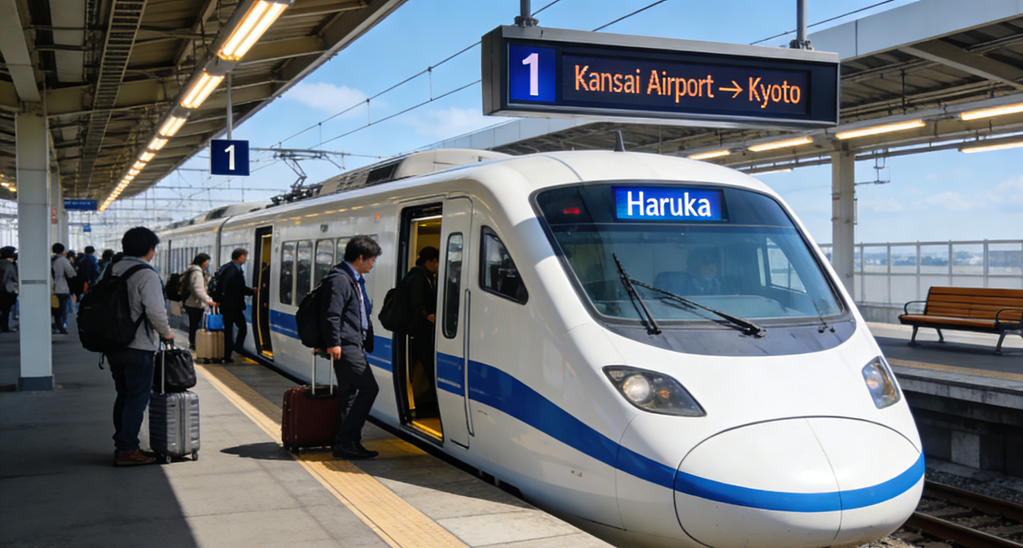
You pass through the fare gate and descend one level to the platform. Trains arrive on dedicated tracks — the Haruka on Platform 4, the Rapi:t on Platform 3, and the local Nankai service on Platform 2. Digital boards above each platform display the next three departures, the terminus station, and the number of vacant seats in each car. You board, stow your luggage in the overhead rack or the dedicated space at the end of the car, and settle into a forward-facing seat as the train accelerates along the elevated causeway. Rice paddies and industrial suburbs slide past the window. Within thirty minutes, the coastal plain gives way to the dense grid of central Osaka, and ten minutes later, the train brakes beneath the vaulted roof of Namba or Shin-Ōsaka station.
All the details about your upcoming adventure in one place
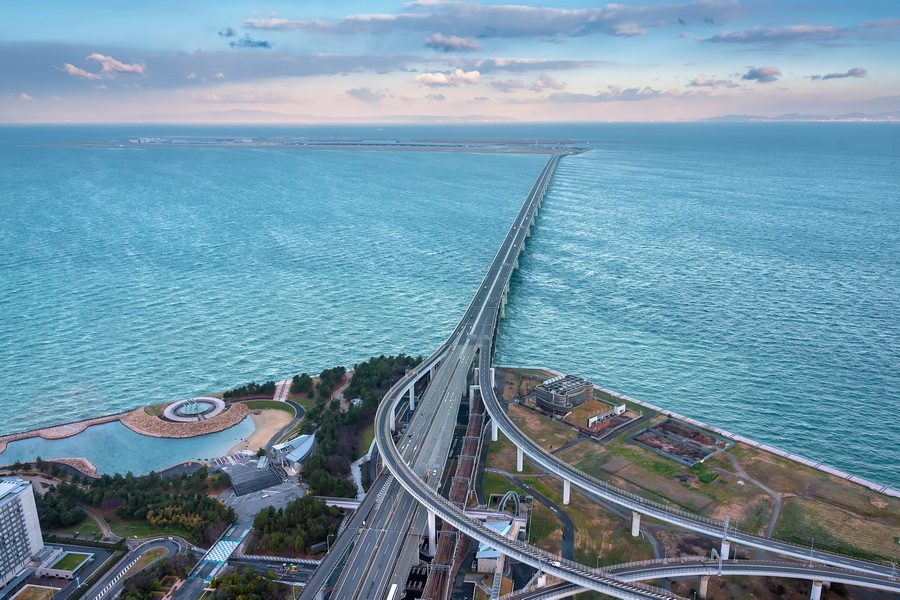
Kansai International Airport sits on an artificial island in Osaka Bay, serving as the primary gateway to western Japan. Private kansai airport transfer options connect travelers to Osaka, Kyoto, and Kobe city centers via dedicated shuttle, chartered vehicle, or rail link, with journey times ranging from 50 to 90 minutes depending on destination and traffic. Limousine bus services, express trains like the Haruka and Rapi:t, and door-to-door kansai airport transfer tours provide seamless onward transport to hotels and key districts across the Kansai region.
Kansai International Airport opened on September 4, 1994, on a man-made island five kilometres offshore in Osaka Bay. Engineers pumped 180 million cubic metres of landfill to raise the island above sea level, then drove 10,000 steel columns through the seabed clay to support a terminal designed by Renzo Piano.
The island sank eighteen metres during construction — three times the predicted settlement — and subsidence continues today at roughly six centimetres per year. A network of hydraulic jacks beneath the terminal allows engineers to level individual sections as the island settles unevenly.
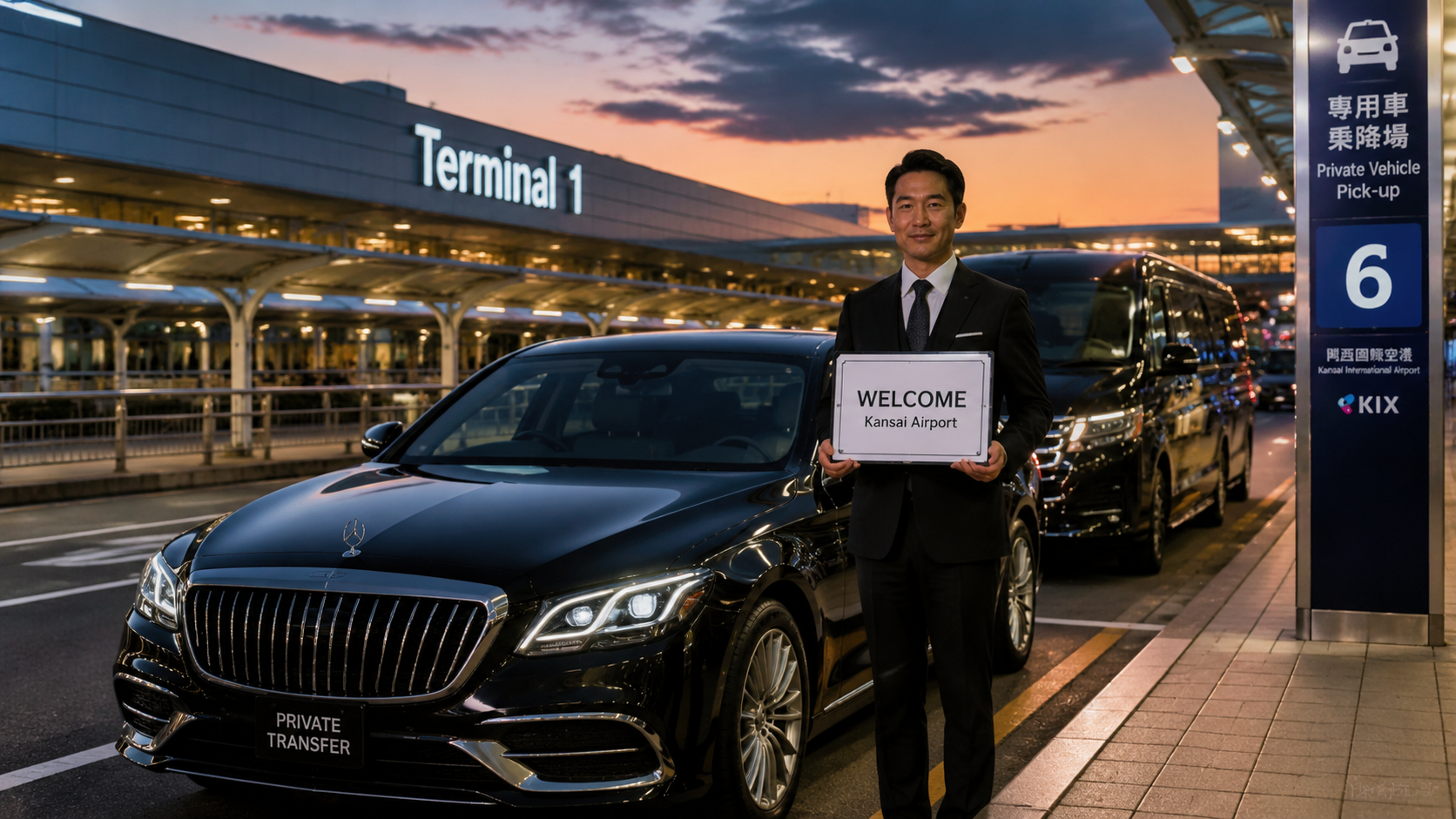
The airport serves 31 million passengers each year and anchors the region's international connectivity. Three rail operators converge beneath the terminal: JR West operates the Haruka limited express to Kyoto and Tennōji, Nankai Electric Railway runs the Rapi:t service to Namba, and a local Nankai line connects suburban stations across the southern coast. The Airport Limousine bus network radiates to more than fifty destinations across Osaka, Kyoto, Kobe, Nara and Wakayama prefectures, with dedicated boarding bays on the first floor of each terminal wing. Private transfer vehicles depart from a dedicated forecourt adjacent to the international arrivals hall.
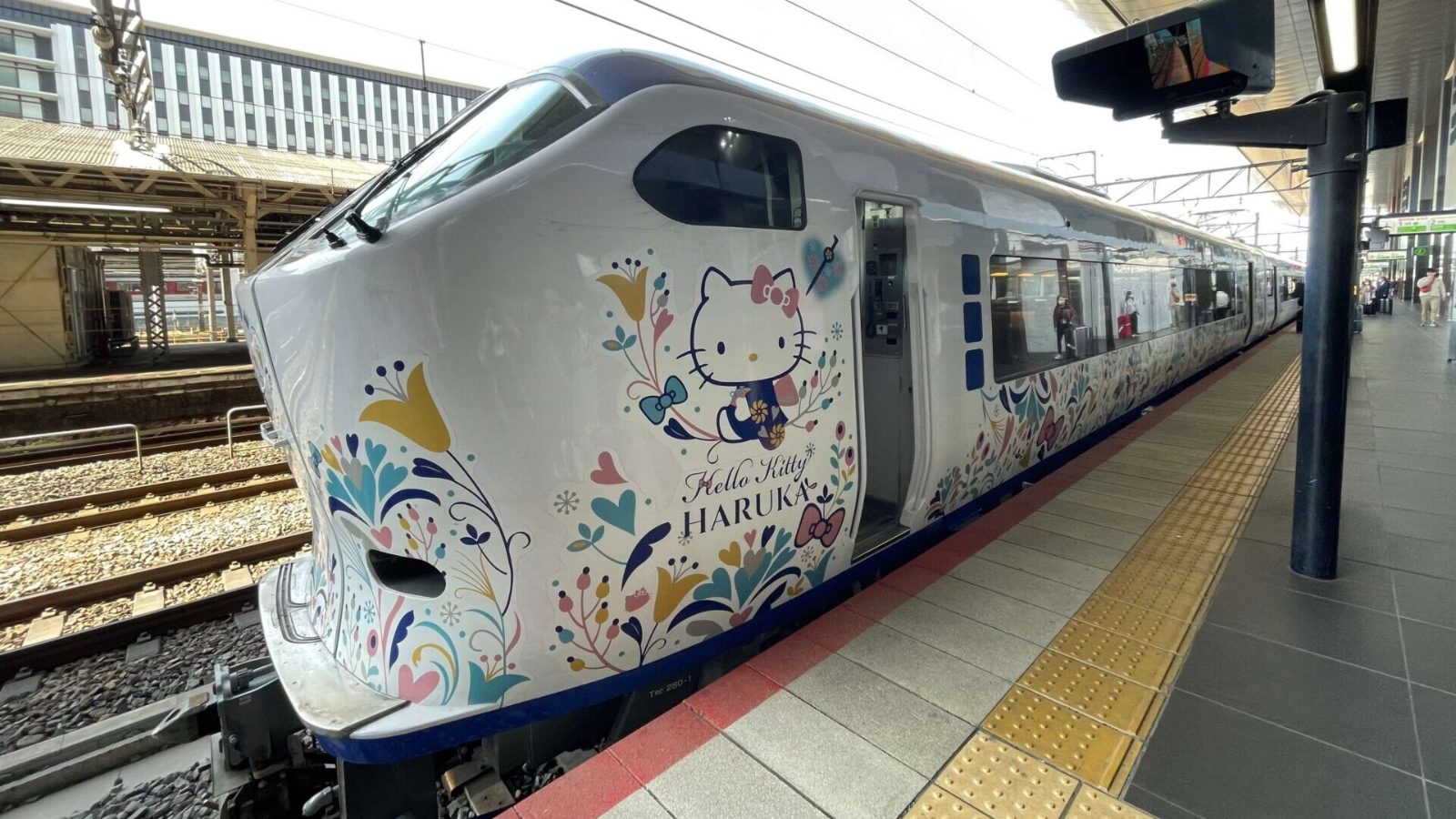
Kansai's location seventeen kilometres offshore initially frustrated urban planners, who feared the distance would isolate the facility from the dense rail corridor linking Osaka, Kyoto and Kobe. The solution was speed: the Haruka completes the seventy-five-kilometre run to Kyoto in seventy-five minutes, and the Rapi:t reaches Namba in thirty-four minutes. Both trains achieve these times by bypassing intermediate stations and running on dedicated express track segments through Izumisano and Sakai. A kansai airport transfer to kyoto aboard the Haruka departs every thirty minutes throughout the day, while the kansai airport transfer to namba via Rapi:t runs every fifteen minutes during peak hours. The kansai airport transfer service infrastructure expanded significantly in 2023 when JR West extended the Haruka's overnight schedule to accommodate late-arriving international flights.
The terminal itself spans 1.7 kilometres in length and houses forty-one boarding gates across two satellite piers. A continuous automated people-mover connects the main building to each satellite, completing the circuit in four minutes. Passengers transferring between international and domestic flights never leave the airside secure zone — the system was engineered to compete with Tokyo's Haneda hub for connecting traffic across the Pacific and Southeast Asian routes.
The island sank eighteen metres during construction — three times the predicted settlement — and subsidence continues today at roughly six centimetres per year.
Dress for comfort and weather. No specific dress code applies.
Bags are subject to security screening. Large suitcases and oversized backpacks are typically not permitted.
Personal photography is permitted. Flash, tripods, drones, and professional equipment require permission.
Family-friendly. Strollers are welcome in most experiences; baby carriers recommended for busy sites.
Step-free access is available at most experiences. Check individual tickets for specific accessibility notes.
On-site food and beverage options are typically available. Outside food is usually not permitted indoors.
Duration
60-90 minutes typical
Opening hours
09:30 – 18:00
Getting there
City-center access via metro and bus
Accessibility
Most experiences are wheelchair-friendly — check individual tours
What to bring
Comfortable shoes, water, phone for mobile voucher
Cancellation terms vary by ticket type and partner. Each ticket option lists its specific cancellation window and refund policy.
Recommended time
60-90 minutes
A kansai airport transfer by train or limousine bus typically runs 60 to 90 minutes to central Osaka, with the JR Haruka and Nankai Rapi:t offering the steadiest schedules once you clear immigration and baggage claim. Add 20-30 minutes at peak arrival banks in the early afternoon when queues build at ground transport counters and platforms, and subtract time if you land within the 08:00-10:00 best arrival window when trains and buses run less crowded. Private car transfers hold closer to the base 60-90 minute range since they skip station queues entirely, though highway traffic near Osaka Bay can still add unpredictable minutes. Late-night arrivals after the last scheduled trains face longer waits for buses or taxis, so build in extra buffer rather than cutting it close.
Crowd levels through the day
A kansai airport transfer with kids means navigating two connected terminals, moving walkways, and elevators rather than stairs, so the biggest decision is train versus bus for the trip into Osaka or Kyoto. Both terminals have step-free access throughout, which makes stroller travel manageable even with a full luggage cart.
Both terminals are stroller-friendly with elevators and ramps at every level change, and the JR and Nankai train platforms have elevator access from the terminal concourse. Gate carts are free to borrow and help when you are pushing a stroller and pulling suitcases at the same time.
Airport limousine buses stow luggage underneath and give each child a seat, which is easier than wrestling a stroller through train ticket gates during a Kansai airport transfer. Trains are faster but require folding the stroller on busier carriages, so buses suit families with toddlers or nap schedules.
Baby-changing stations and nursing rooms are located in both the international and domestic terminals, past security and in the pre-security shopping areas. Ready-made formula and diapers are sold at terminal convenience stores if you run short before boarding.
Build in extra time before joining any kansai airport transfer tour or connecting service, since immigration and baggage claim queues can eat 30-40 minutes with young children in tow. Head to the bus or train platform only once everyone has used the restroom, since onboard facilities are limited.
Both terminals are fully indoors and connected by covered walkways, so a rainy arrival does not disrupt stroller movement between check-in, security, and transfer platforms.
Skip crowded food courts right at peak meal times and grab something from a terminal convenience store to eat on the bus or train instead.
Kansai International Airport keeps dining mostly on-site, spread across Terminal 1's 4F restaurant strip and airside gate areas, so most travelers on a kansai airport transfer eat before immigration rather than hunting nearby streets. Options range from grab-and-go counters to sit-down izakaya, which suits both a rushed departure and a slower layover.
Fast Japanese comfort food on 4F, popular with departing passengers who want a hot bowl before security; counter seating means quick turnover even at peak lunch hours.
A landmark Osaka crab chain with a full-course option, best for travelers with over an hour before their gate; not suited to a fast connection to Kyoto or Namba.
Reliable coffee and pastries near the check-in hall, useful for a five-minute stop before heading to the Haruka or airport limousine bus counters.
Multiple counters (ramen, curry, bento) clustered together, good when a group wants different food fast without splitting up.
Airside option past security, convenient if you have already cleared immigration and need a quick meal before boarding.
Landside café with sandwiches and set breakfasts, workable for an early departure within the 08:00-10:00 arrival window before trains fill up.
Real experiences from real travelers
We pre-booked a kansai airport transfer through our hotel and the driver was waiting at arrivals with our name. The Mercedes was spotless and we reached our Osaka hotel in under an hour. Professional service made jet lag easier.
The JR Haruka limited express from the airport station runs directly to Kyoto in 75 minutes. Reserved seats were comfortable and there is ample luggage space. Platform signage is clear in English. This rail option beat taxi pricing by a significant margin.
Shared kansai airport transfer shuttle dropped us at three different Osaka hotels for ¥1500 per person. Departed every 30 minutes from the north exit. Took about 90 minutes total but the price cannot be beaten for solo travelers.
We arrived on an evening flight and the taxi rank outside terminal one had maybe 20 people ahead of us but the line moved within 15 minutes. Fixed fare to Namba was ¥5200. Driver spoke limited English but address on phone worked fine.
Kansai airport ground transportation options are well organized with clear English signage directing you to trains, buses, or private car services. We used the Nankai rapi:t to reach our ryokan in southern Osaka. The airport station is directly beneath the terminal.
Booked a minivan kansai airport transfer for our family of six with all luggage. Driver met us at customs exit holding our reservation number. Vehicle had child seats already installed. Door-to-door service to our Kyoto accommodation in 90 minutes was worth the cost split six ways.
Our flight landed at 11 PM and the limousine bus service to Umeda still had three departures after midnight. Clean coach with USB charging ports and the driver handled our bags. Took longer than rail but ran when trains had stopped for the night.
We collected our reserved vehicle from the rental counter in the arrival lobby and followed GPS directions onto the expressway within 20 minutes. Driving in Japan requires an international permit but having our own car for a Kansai region road trip started conveniently at the airport.
The airport offers everything from budget buses to luxury sedans. We compared kansai airport transfer tickets at the information desk and chose the Kansai Airport Express HARUKA with our JR Pass already activated. No additional cost and reserved seating guaranteed.
Staff at the transport information counter spoke clear English and printed a map showing our hotel location relative to the nearest train station. They recommended the Nankai line over JR for our specific destination in Sakai. Helpful and patient with questions.
Join thousands of happy travelers who have discovered this incredible experience
Book Your Experience Now